What is biodiversity?
Biodiversity, or biological diversity, is the variety of life found on Earth. It includes more visible groups such as animals and plants, as well as less conspicuous but highly diverse groups including microorganisms, fungi, insects, as well as all life on land, in the water, and in the air. But it is not simply the number of species in the area, but also includes the number of individuals and the balance of different species.
Biodiversity is typically examined at three interconnected levels:
Genetic Diversity
The variation in hereditary and genetic materials within and among individuals of a species.
Species Diversity
The variety of organisms in a habitat or area. The more diverse the habitat, the greater the diversity one could expect.
Ecosystem Diversity
The variety of ecosystems formed through the interactions between communities of organisms and their physical environments.
Biodiversity Matters!
Most people know that biodiversity is important, but why is it important, exactly? What does biodiversity have to do with the health and well-being of our own species?
Biodiversity is the vital life-supporting system of our planet. This diversity is essential, as it underpins all life on earth and the integrity of all ecosystems, allowing them to adapt to environmental changes and perform critical roles within their ecosystems, ensuring stability and resilience.
1) Biodiversity supports the healthy ecosystem that we depend on
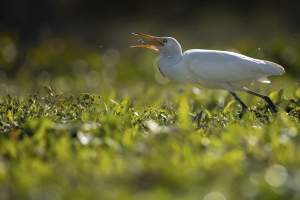
Healthy ecosystems provide a wealth of essential goods and services that we depend on every day, but most of us, as urban dwellers, may not always be aware of them. We rely on it for freshwater, food, energy, medicine, pest control, and many, many more.
Our city reaps a wide range of these benefits, known as ecosystem services. Biodiversity is not only fundamental to the health of our planet but also intricately linked to the well-being, prosperity and quality of life within our community.
Materials and energy benefits and products that we obtain from nature.
- Provision of freshwater
- Provision of food
- Provision of raw materials
- Provision of medicinal resources
Ecological processes that improve or make our lives possible.
- Air quality regulation
- Climate regulation
- Water flow regulation
- Waste treatment
- Erosion prevention
- Pollination and seed dispersal
- Biological control
- Hazards and extreme events moderation
- Noise regulation
Non-tangible benefits from biodiversity contribute to the construction of our cultural identity.
- Health and well-being
- Recreation and tourism opportunities
- Aesthetic value and appreciation
- Cognitive development
- Spiritual and religious values
- Sense of place
- Cultural heritage
Services that maintain fundamental ecosystem processes.
- Habitat creation and maintenance
- Maintenance of genetic diversity
- Nutrient and water cycling
- Soil formation and maintenance of soil fertility
2) Biodiversity contributes to our health and well-being
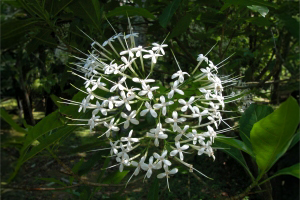
3) Biodiversity is an integral part of our culture and identity
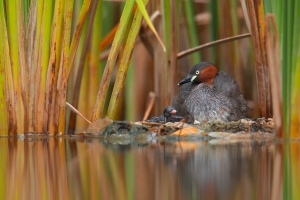
4) Biodiversity offers great economic value
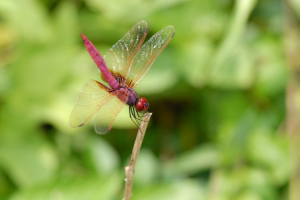
Biodiversity underpins global economies by supporting agriculture, fisheries, forestry, tourism, and medicine, providing essential resources and livelihoods for millions of people. Healthy ecosystems supply raw materials, fresh food, clean water, pollination, natural pest control, and bioremediation, all of which are foundational to city development.
5) Biodiversity conservation is essential for climate change adaptation
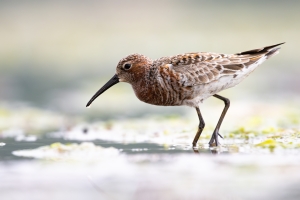
Biodiversity is among our most valuable allies in addressing the adverse effects of climate change. Conserved and restored ecosystems, such as forests, wetlands, and mangroves, not only store substantial amounts of carbon but also enhance our resilience to natural disasters and extreme weather. Healthy, biodiverse landscapes act as natural buffers, with wetlands absorbing heavy rainfall, mangroves protecting coastlines from storm surges, and woodlands helping to prevent landslides and reduce urban heat.
What does biodiversity look like in Hong Kong?
While Hong Kong stands as a bustling international financial centre and one of the most densely populated cities in the world, many remain unaware that non-built-up areas account for approximately 60% of the city, extending far beyond its iconic skyscrapers.
Situated at the northern edge of the tropics, Hong Kong is characterised by a subtropical climate with distinct seasonal patterns. The city's terrain is predominantly hilly and rugged, complemented by a deeply indented coastline and more than 200 outlying islands.
The unique interplay of climate and geography has endowed Hong Kong with a remarkable variety of terrestrial and marine habitats, supporting a wealth of native flora and fauna, including a number of endemic species found nowhere else in the world. Despite its small size and the pressures associated with being one of the world's most urbanised and densely populated cities, Hong Kong boasts an astonishingly rich biodiversity.
| Species group | Species number | Species group | Species number |
|---|
Learn More ABOUT Hong Kong'S Biodiversity AT HKBIH
Why is it under threat?
With the projected growth in our population and households, coupled with citizens' aspirations to create a more liveable city and to reinforce Hong Kong's global economic competitiveness, there remains a strong and persistent demand for land. This includes land for housing, economic development, quality public spaces, infrastructure and community facilities. Meeting this demand sustainably in an already highly compact city while preserving, or even enhancing, Hong Kong's biodiversity presents a major challenge. The competition for limited land puts increasing pressure on natural habitats, making conservation and careful planning more important than ever.
Biodiversity Strategy and Action Plan (BSAP)
BSAP is a strategic instrument for addressing the threats to biodiversity, identifying priorities, setting strategies as well as outlining actions for supporting biodiversity conservation. It assists in translating international biodiversity goals, including those under the United Nations Convention on Biological Diversity (CBD), into implementable actions.
The objectives of the CBD are to conserve biodiversity, promote the sustainable use of its components, and encourage fair and equitable sharing of benefits arising from the utilisation of genetic resources. China has been a Party to the CBD since 1993, and its application was extended to the Hong Kong Special Administrative Region in 2011.
Process of formulating the BSAP for Hong Kong
As part of China and at the same time an international city, Hong Kong has been leveraging its unique identity and strengths to participate in global environmental initiatives and contribute to the implementation of the CBD in our country, despite not being a Party to the CBD. Aiming to step up biodiversity conservation for our future generations and support sustainable development, while contributing to the national BSAP of our country and the global efforts on biodiversity conservation, the Hong Kong Government commenced preparatory work to draw up a city-level BSAP in 2013.
During the formulation of the BSAP, the Government had duly analysed and considered the wide range of feedback gathered through consultation exercises from the general public and stakeholders from academia, professional bodies, the rural sector, and private organisations. After drawing on the successful experiences of other cities and taking into account local conditions, the first city-level BSAP for Hong Kong was formally announced on 21 December 2016, to step up biodiversity conservation and support sustainable development.
Hong Kong's first city-level BSAP
Vision
The rich biodiversity of Hong Kong is valued, conserved, restored, sustainably managed and wisely used, thereby maintaining essential ecosystem services and sustaining a healthy and liveable place to the benefits of all people.
Mission
Our mission is to value, conserve and restore the rich biodiversity of Hong Kong, to ensure that it is sustainably managed and wisely used, and to promote the mainstreaming of biodiversity issues and values across all sectors of the society, with social and economic aspects duly considered and balanced, so that ecosystems are resilient and continue to provide essential services, and the precious environment that supports and enriches the life of Hong Kong people is passed on to future generations.
By formulating and implementing the BSAP, Hong Kong has been contributing to global efforts on biodiversity conservation, and to China's national BSAP. Through concerted efforts of all sectors of the community, fruitful outcomes, including the designation of new country parks and marine parks, the complete ban on the local ivory trade, the establishment of the Long Valley Nature Park, and the launch of the Hong Kong Biodiversity Information Hub (HKBIH), among others, were achieved under each of the following four strategic areas of the BSAP.
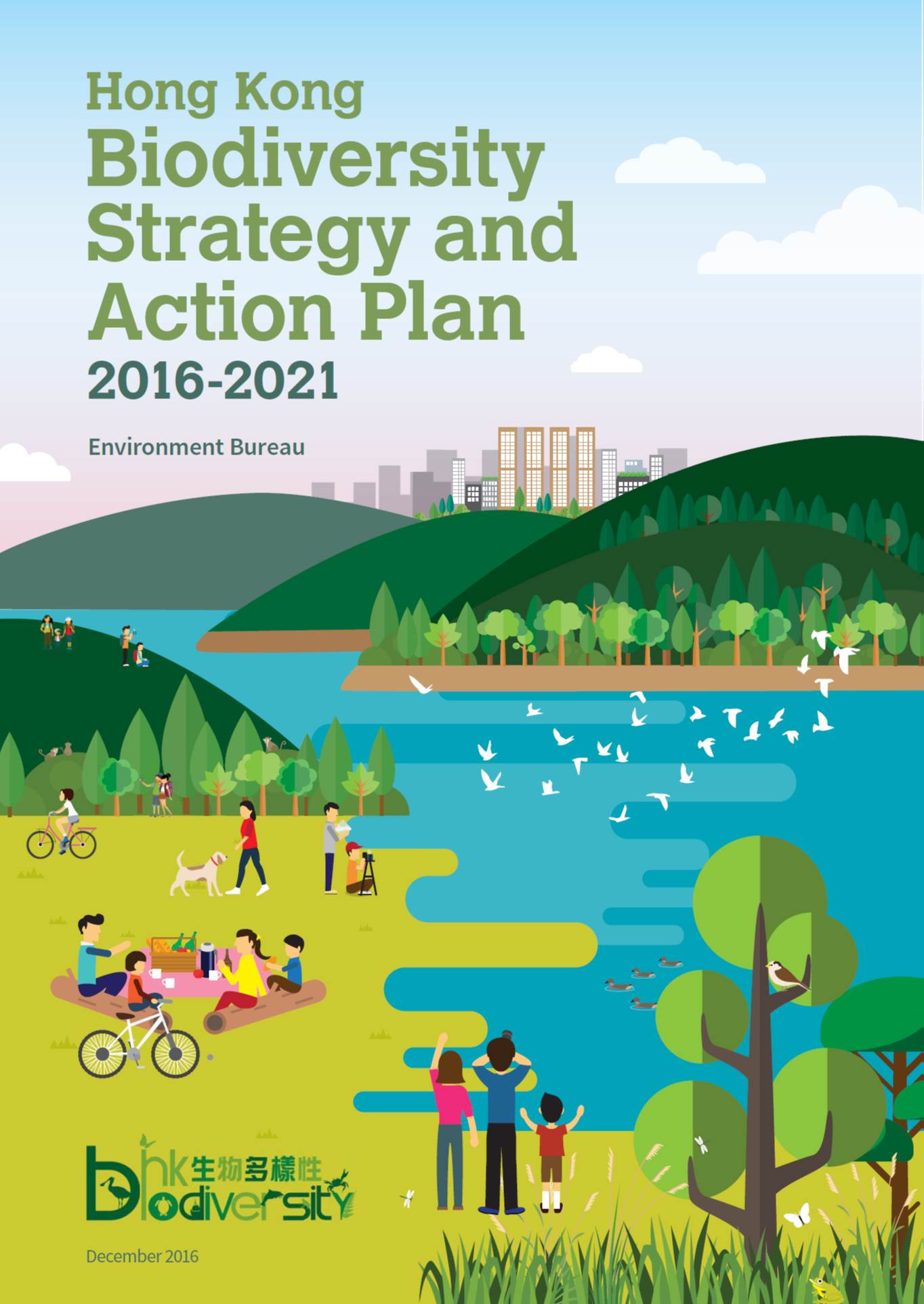
continue to implement and enhance existing conservation measures
incorporate biodiversity considerations in to planning and decision making to achieve sustainable development
conduct biodiversity surverys and studies to fill knowledge gaps
promote public awareness and knowledge of biodiversity among stakeholders
Since the launch of the BSAP in 2016, and under the effective coordination of the dedicated Inter-departmental Working Group on BSAP (IWGB) established by the Government, all relevant government bureaux and departments have been taking forward specific actions of the BSAP under their respective purviews in a progressive manner. At the same time, the Government has proactively engaged relevant stakeholders in implementing the BSAP, particularly to enhance biodiversity conservation measures and promote mainstreaming biodiversity.